The Key to It All
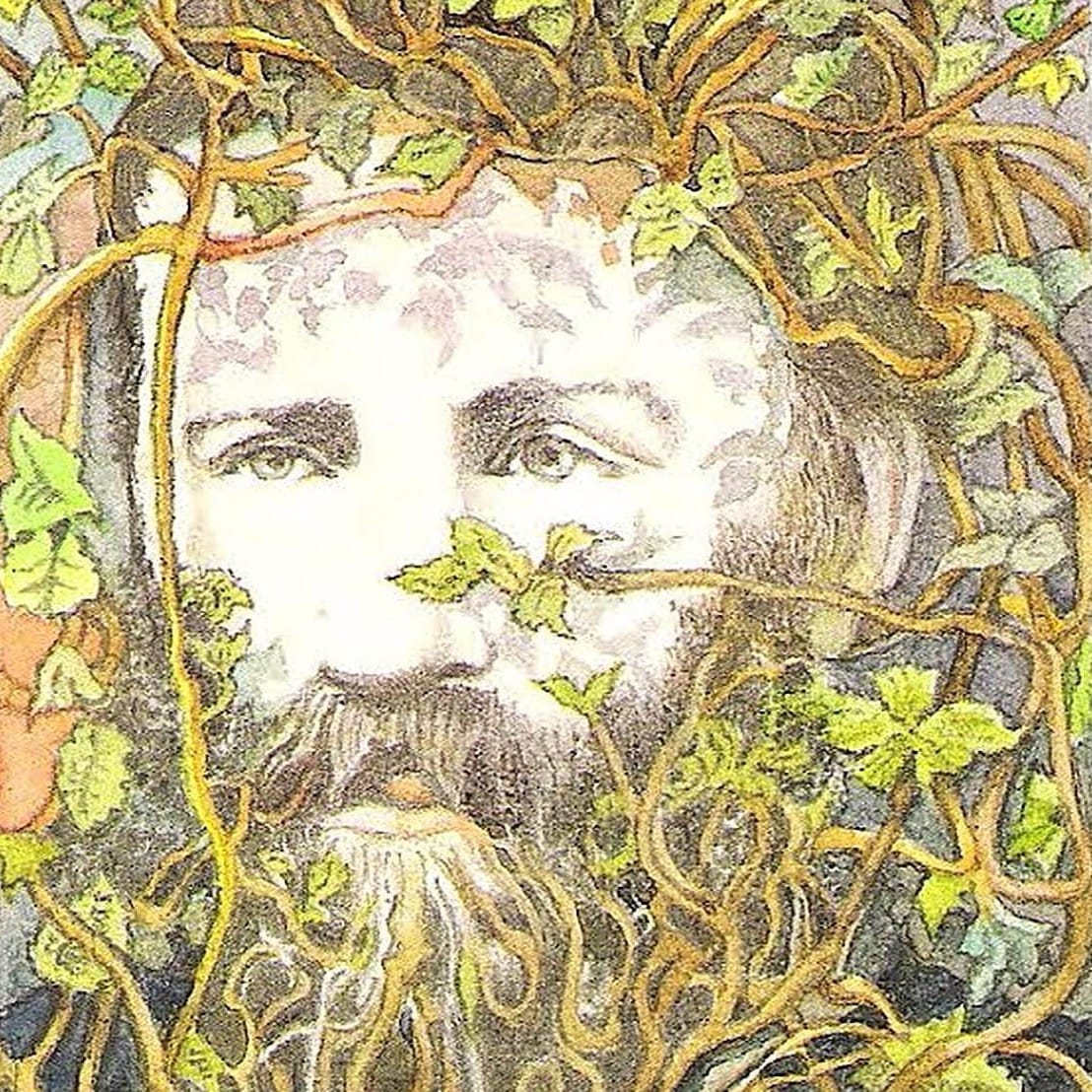
In the first chapter of Moby-Dick, before the voyage begins, before the Pequod is named, before Ahab appears, Melville stops the narrative and tells you exactly what kind of book you are holding. Nobody believed him.
Here is the passage in full. Read it slowly.
"But here is an artist. He desires to paint you the dreamiest, shadiest, quietest, most enchanting bit of romantic landscape in all the valley of the Saco. What is the chief element he employs? There stand his trees, each with a hollow trunk, as if a hermit and a crucifix were within; and here sleeps his meadow, and there sleep his cattle; and up from yonder cottage goes a sleepy smoke. Deep into distant woodlands winds a mazy way, reaching to overlapping spurs of mountains bathed in their hill-side blue. But though the picture lies thus tranced, and though this pine-tree shakes down its sighs like leaves upon this shepherd's head, yet all were vain, unless the shepherd's eye were fixed upon the magic stream before him. Go visit the Prairies in June, when for scores on scores of miles you wade knee-deep among Tiger-lilies — what is the one charm wanting? — Water — there is not a drop of water there! Were Niagara but a cataract of sand, would you travel your thousand miles to see it? Why did the poor poet of Tennessee, upon suddenly receiving two handfuls of silver, deliberate whether to buy him a coat, which he sadly needed, or invest his money in a pedestrian trip to Rockaway Beach? Why is almost every robust healthy boy with a robust healthy soul in him, at some time or other crazy to go to sea? Why upon your first voyage as a passenger, did you yourself feel such a mystical vibration, when first told that you and your ship were now out of sight of land? Why did the old Persians hold the sea holy? Why did the Greeks give it a separate deity, and own brother of Jove? Surely all this is not without meaning. And still deeper the meaning of that story of Narcissus, who because he could not grasp the tormenting, mild image he saw in the fountain, plunged into it and was drowned. But that same image, we ourselves see in all rivers and oceans. It is the image of the ungraspable phantom of life; and this is the key to it all."
He is not being poetic. He is not gesturing vaguely at themes of obsession and the American sublime. He is telling you, with the precision of an engineer annotating a blueprint, that the book you are about to read contains a hidden image — one that will drown you if you mistake your own reflection for it — and that finding that image is the key to everything.
The romantic landscape he desires to paint you is real. Its chief element is not water. There is not a single drop of water in this book. The sea is pages. The "mazy way" winding into distant woodlands is the sentence winding across the manuscript. The magic stream is the line of ink, the text itself — the physical, material stream Melville is producing at his desk in the Berkshires while you read.
We are drawn to the sea. The poor poet of Tennessee chooses Rockaway Beach over a coat he badly needs. The old Persians held it holy. The Greeks gave it a god. Melville knows this. He builds the book from salt and canvas and whale blood precisely because he knows you will travel your thousand miles of sentences to reach that sea. The enchantment is the point. The gothic Dantean sea-stuffs are the hedge — and here Melville names it himself, in Hawthorne and His Mosses, written the year before publication: "It is curious, how a man may travel along a country road, and yet miss the grandest, or sweetest of prospects, by reason of an intervening hedge, so like all other hedges, as in no way to hint of the wide landscape beyond."
The whale, the sea, the deck, the canvas — these are the intervening hedge. Peeking through that sea-ivied thicket, glimpses of the romantic landscape appear: every now and then little rays of truth breaking through the chinks and holes to leak their light. The picture lies tranced because it is a picture of a man in a trance, writing.
The same essay gives you the other end of the thread. In Hawthorne and His Mosses Melville writes that the greatest authors hide their deepest truths in plain sight — that through "the mouths of the dark characters" the author "has somewhere furnished you with his own picture." Not a metaphor for the author. A picture. A discoverable, embedded artifact of the man himself. And then he drops a word that appears only once in Moby-Dick itself. He says that Hawthorne's chapters "furnish clews, whereby we enter a little way into the intricate, profound heart where they originated." Clew — the ball of thread Ariadne gave Theseus to navigate the Cretan labyrinth. Melville names the device before the book is published. He is telling you the thread is there.
Most readers of Moby-Dick have done what Narcissus did. They fixed on the image in the water — Ahab as monomaniac, the whale as God, the voyage as America — and drowned in their own reflection. Melville built the book to produce exactly this. He called it, in Chapter 99, "a magician's glass, to each and every man in turn but mirrors back his own mysterious self." The diversity of readings Moby-Dick generates is not a sign of the book's richness. It is the mechanism of its concealment.
The key to it all is not your reflection. It is his.
The romantic landscape Melville desires to paint — the dreamiest, shadiest, quietest, most enchanting — is a man at a desk. The trees with hollow trunks standing upright: the masts, the pencils. The sleeping meadow and cattle: the stillness of deep composition. The sleepy smoke rising from the cottage: the breath, the voice, the spout of the living text exhaled from page to reader. The magic stream: the line of ink, the sentence, the whale-line coiling from the pen.
The shepherd's eye must be fixed upon it. Everything else is a reflection of yourself in moving water.
And the water will drown you.